

NEWS

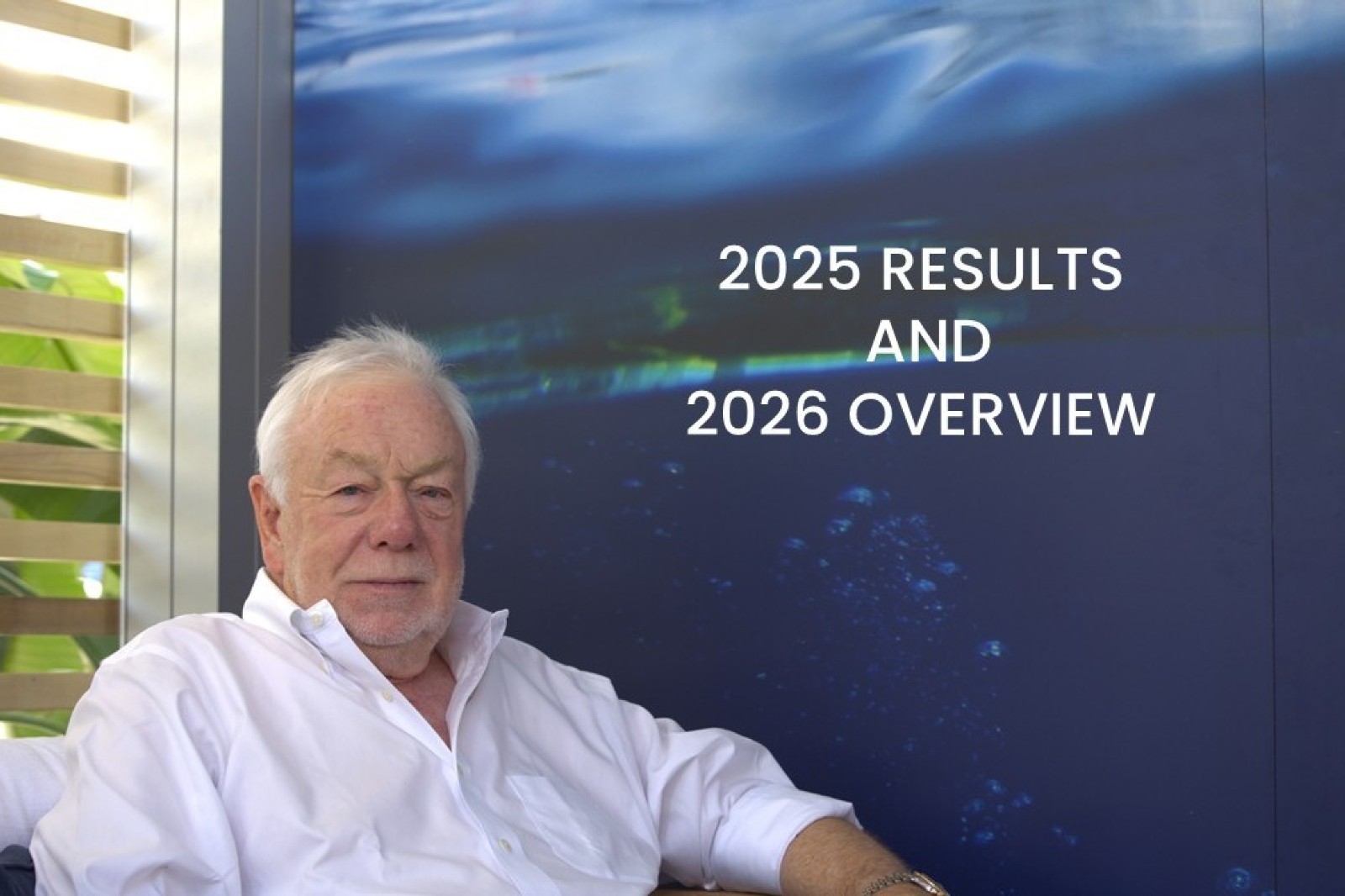
2026 Market Overview: WHEN EVERYONE WANTS IN AND NO ONE WANTS OUTSome years are defined by uncertainty. Others by enthusiasm. And then there are years like this.
Following the end of the pandemic bubble, the outlook for yachts over 60m is defined by ‘resilient normalization’ with strong demand for top pedigree, newly built or yachts close to delivery while the "aspirational" luxury market (sub-40m) has seen a 12% drop.
The resulting brokerage market is forked: there is a lack of inventory in the large, recent segment whereas the smaller, older (~pre 2016 or thereabouts) inventory is characterized by lingering and optimistically inflated asking prices.
"Pedigree" is predicted to be the ultimate currency: yachts built within the last five years command premiums while older vessels will see depreciation.
Total UHNW wealth is estimated to have increased from $ 49.2 trillion in 2023 to $59.8 trillion in 2025 and growth is expected to continue in 2026 driven by the AI revolution and interest rates and strong markets, benefitting cash-rich savers. The US remains the single largest market for superyachts although demand in the EU and ROW continues steady.
But, times are turbulent with a marked disconnect between frothy stock market results and the fractured geopolitical realities on the ground. For now, optimism prevails and US UHNWI (accounting for approximately 23%–25% of global buyers) are feeling confident on the back of the AI-driven bull market and a resurgent, faster paced business approach fostered by the current US administration, in contrast to the more ‘low-key luxury’ trend, post pandemic. However, young and wealthy clients do not want to wait or deal with the hassle and the decisions that have to go into a new build, and everything that goes along with that. They want instant yacht and are generally prepared to pay for it so near to completion projects command a strong premium.
A moderate weakening of the US dollar toward the $1.20 range against the Euro is contemplated by late 2026, making European builds 5–8% more expensive for dollar-denominated buyers. However, the US Federal Reserve is expected to stabilize rates near 3.0%–3.25% in 2026, so the cost of capital for financing large builds will be more predictable.
In summary, I do not expect to see much change in the 2026 market for larger yachts. Most indicators suggest an active market, steady demand, with prices driven by the lack of quality inventory. Owners are hanging on to their existing yachts deterred by the cost of replacement – most new build contracts come with an inflation clause – so, with fewer yachts under construction, prices for recent yachts that do not need significant refits or downtime, will firm up further or potentially increase.
I also expect the brokerage market to be buoyed by charter clients that realize the only way to get the time, locations and dates they want for their personal use is to transition from charter to owning their own yacht.
Finally, absent a crisis driven by AI or global volatility, the tax benefits resulting from the current US Government bonus depreciation scheme for business assets, that are expected to continue for the foreseeable future, will buttress or at least stabilize the US market in a positive fashion.
The resulting brokerage market is forked: there is a lack of inventory in the large, recent segment whereas the smaller, older (~pre 2016 or thereabouts) inventory is characterized by lingering and optimistically inflated asking prices.
"Pedigree" is predicted to be the ultimate currency: yachts built within the last five years command premiums while older vessels will see depreciation.
Total UHNW wealth is estimated to have increased from $ 49.2 trillion in 2023 to $59.8 trillion in 2025 and growth is expected to continue in 2026 driven by the AI revolution and interest rates and strong markets, benefitting cash-rich savers. The US remains the single largest market for superyachts although demand in the EU and ROW continues steady.
But, times are turbulent with a marked disconnect between frothy stock market results and the fractured geopolitical realities on the ground. For now, optimism prevails and US UHNWI (accounting for approximately 23%–25% of global buyers) are feeling confident on the back of the AI-driven bull market and a resurgent, faster paced business approach fostered by the current US administration, in contrast to the more ‘low-key luxury’ trend, post pandemic. However, young and wealthy clients do not want to wait or deal with the hassle and the decisions that have to go into a new build, and everything that goes along with that. They want instant yacht and are generally prepared to pay for it so near to completion projects command a strong premium.
A moderate weakening of the US dollar toward the $1.20 range against the Euro is contemplated by late 2026, making European builds 5–8% more expensive for dollar-denominated buyers. However, the US Federal Reserve is expected to stabilize rates near 3.0%–3.25% in 2026, so the cost of capital for financing large builds will be more predictable.
In summary, I do not expect to see much change in the 2026 market for larger yachts. Most indicators suggest an active market, steady demand, with prices driven by the lack of quality inventory. Owners are hanging on to their existing yachts deterred by the cost of replacement – most new build contracts come with an inflation clause – so, with fewer yachts under construction, prices for recent yachts that do not need significant refits or downtime, will firm up further or potentially increase.
I also expect the brokerage market to be buoyed by charter clients that realize the only way to get the time, locations and dates they want for their personal use is to transition from charter to owning their own yacht.
Finally, absent a crisis driven by AI or global volatility, the tax benefits resulting from the current US Government bonus depreciation scheme for business assets, that are expected to continue for the foreseeable future, will buttress or at least stabilize the US market in a positive fashion.